Our patients
These are the species we care for — injured, orphaned, and displaced native reptiles and amphibians brought into SERC for rehabilitation. Our goal for every patient is to return them to the wild. Some species also receive focused conservation attention due to their status in Virginia.
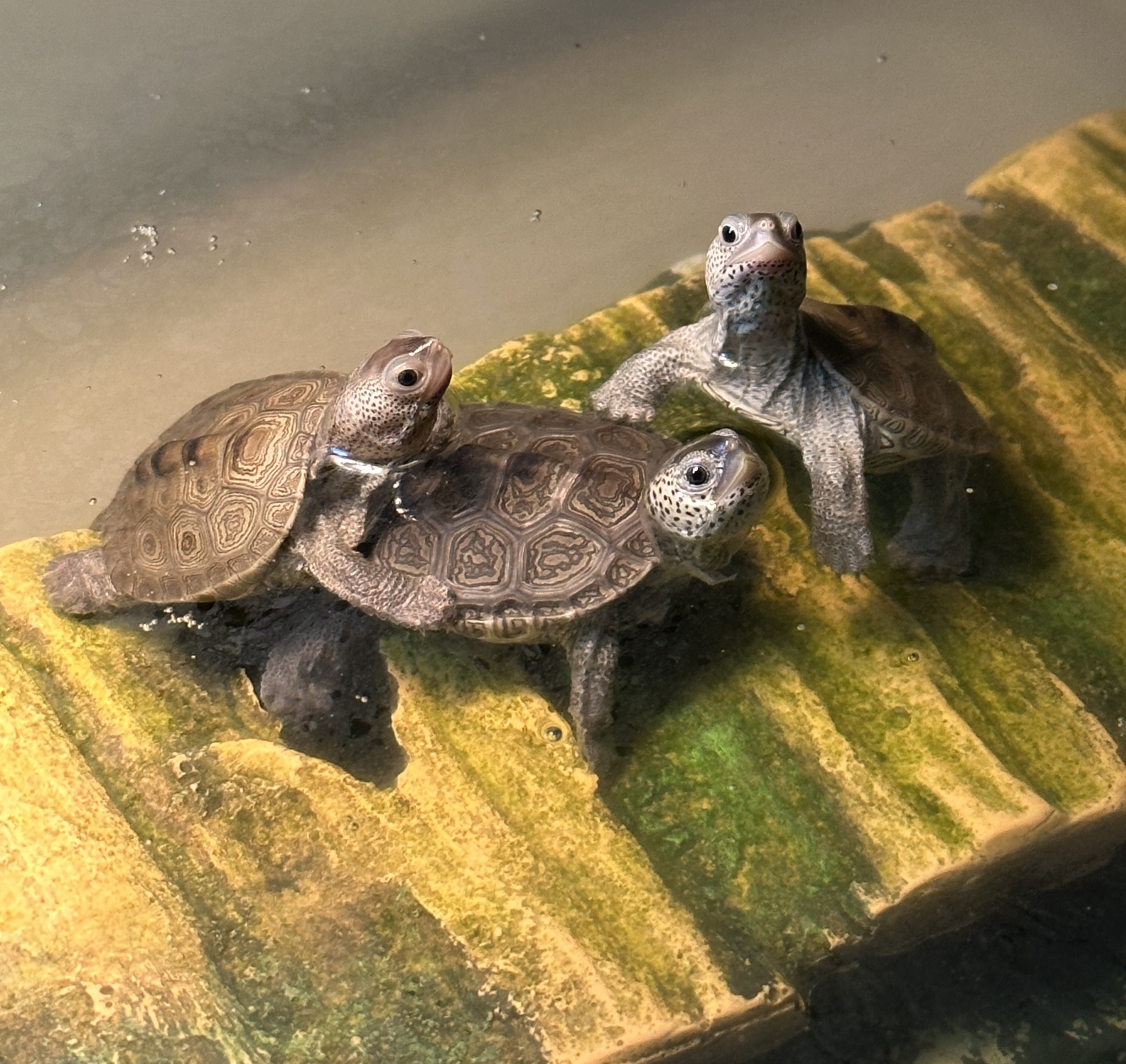
Diamondback Terrapin
Malaclemys terrapin
The only turtle in North America that lives in brackish coastal habitats. Diamondback terrapins are a species of greatest conservation concern in Virginia, facing threats from habitat loss, road mortality, crab trap drowning, and collection for the pet trade.
View species profile →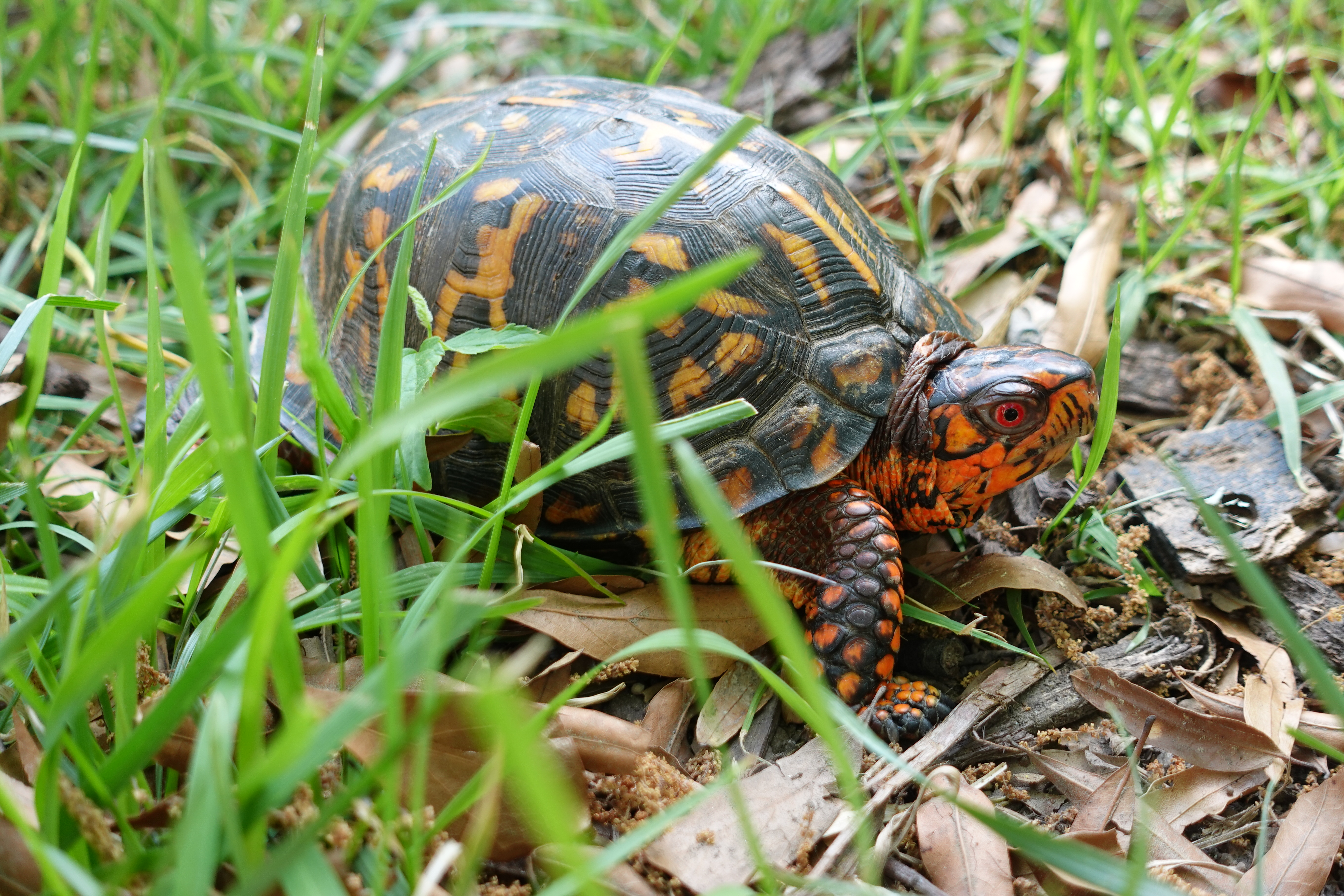
Eastern Box Turtle
Terrapene carolina carolina
A beloved and iconic Virginia turtle that is increasingly threatened by habitat fragmentation, road mortality, and collection. Box turtles have small home ranges and strong site fidelity, making habitat loss especially impactful for local populations.
View species profile →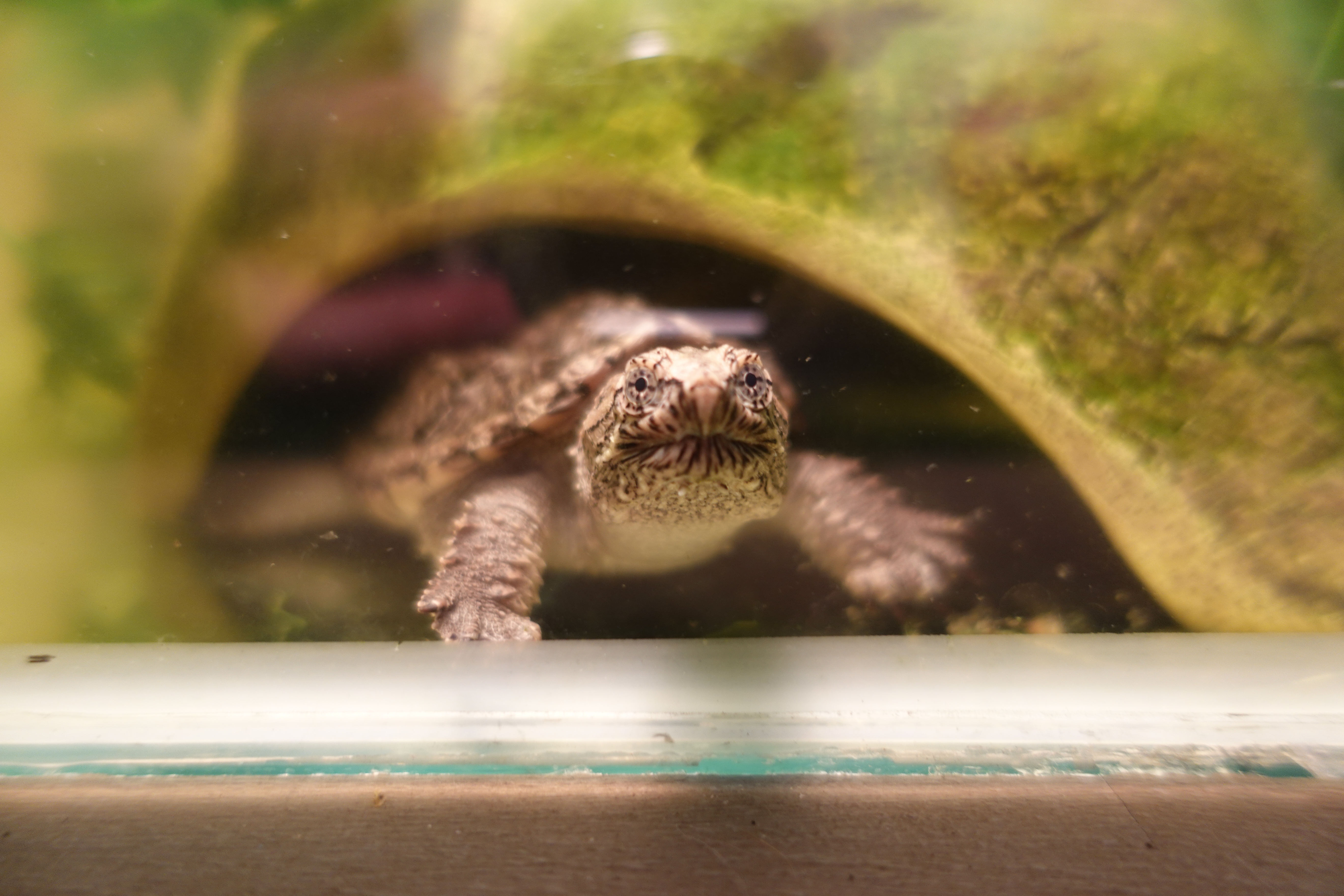
Common Snapping Turtle
Chelydra serpentina
One of Virginia's most widespread aquatic turtles, the common snapping turtle is a frequent patient in wildlife rehabilitation. Often misunderstood due to their defensive behavior on land, snapping turtles are an important part of healthy aquatic ecosystems. We care for injured and displaced individuals with the goal of returning them to their home waters.
View species profile →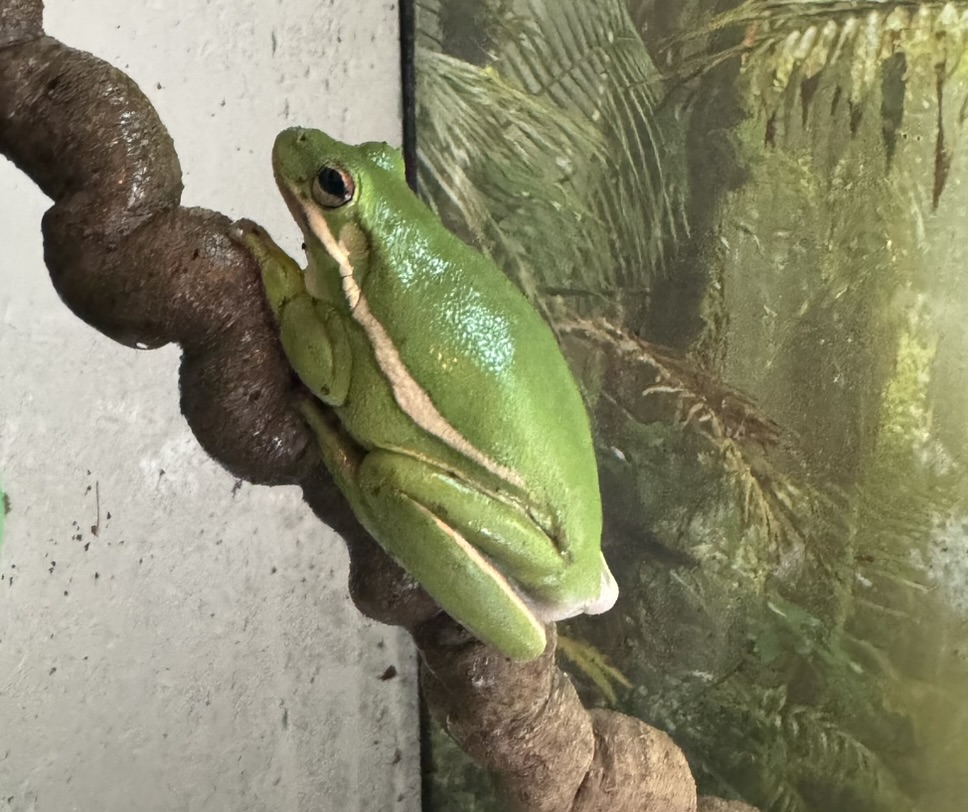
Native Reptiles & Amphibians
Various species
SERC provides rehabilitation services for a range of native Virginia reptiles and amphibians, including snakes, lizards, frogs, and salamanders. If you have found an injured or displaced native reptile or amphibian, please contact us.
Browse the field guide →Turtle Watch map
See where turtles are most active near roads in southeastern Virginia. Our live map pulls research-grade sightings from iNaturalist to highlight corridors where turtles regularly cross — so you know where to slow down.
View the map- ↗ Live data from iNaturalist citizen science observations
- ↗ Highlights active corridors near major roads in red
- ↗ Seasonal alert during peak turtle movement (April–September)
Found an injured reptile or amphibian?
Do not attempt to care for the animal yourself. Contact us with the species, location, and condition of the animal and we will advise on next steps.
We work exclusively with native Virginia reptiles and amphibians and are not able to assist with non-native or exotic species.
Contact us